Frequently Asked Questions About Car Accident Claims
Clear answers about what to do after a collision, how insurance claims work, and what to expect when you contact an attorney. These are general explanations, not legal advice for a specific case.
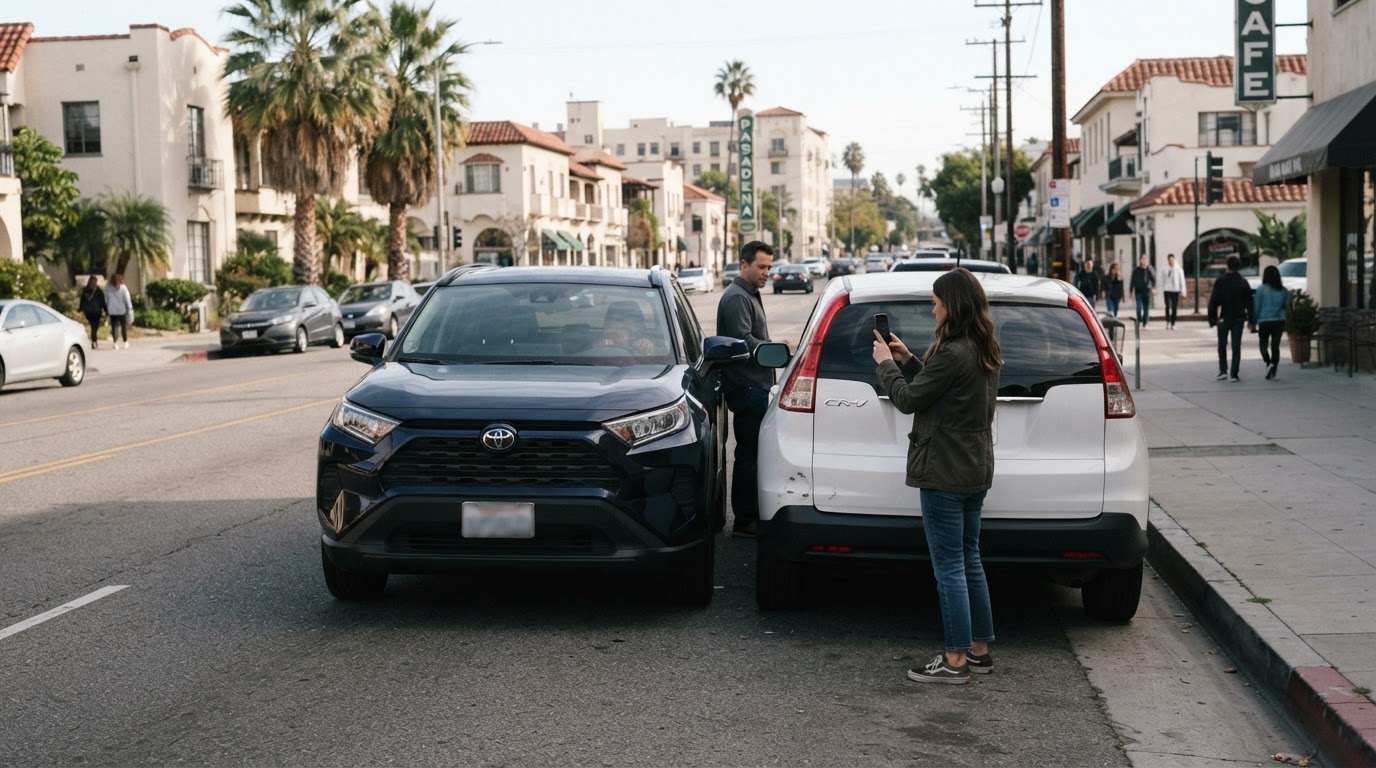
After the Accident
The first hours and days after a collision shape how clearly you can describe what happened and how thoroughly you can support a claim.
Not always. If no one was hurt, the vehicles can be driven safely, and fault is clear, you may be able to handle a straightforward property-damage claim directly with the insurer. A lawyer becomes more useful when injuries are involved, fault is disputed, the other driver was uninsured, or the settlement offer seems low for the harm caused.
Yes. Many common crash injuries, including whiplash, concussions, and soft-tissue strains, can take a day or two to become noticeable. Seeing a doctor promptly creates a medical record that connects your symptoms to the collision and reduces the chance an insurer argues the injury is unrelated.
Keep the police report number, photos of the scene and both vehicles, the other driver's name and insurance details, witness contact information, medical visit notes and bills, and a short written timeline of what happened while it is fresh. Save everything in one place so it is easy to find later.
In California, you can often still pursue a claim even if you were partly at fault, but your compensation may be reduced by your share of responsibility. It is worth speaking with an attorney before accepting blame or settling, because fault is not always as obvious as it first appears.
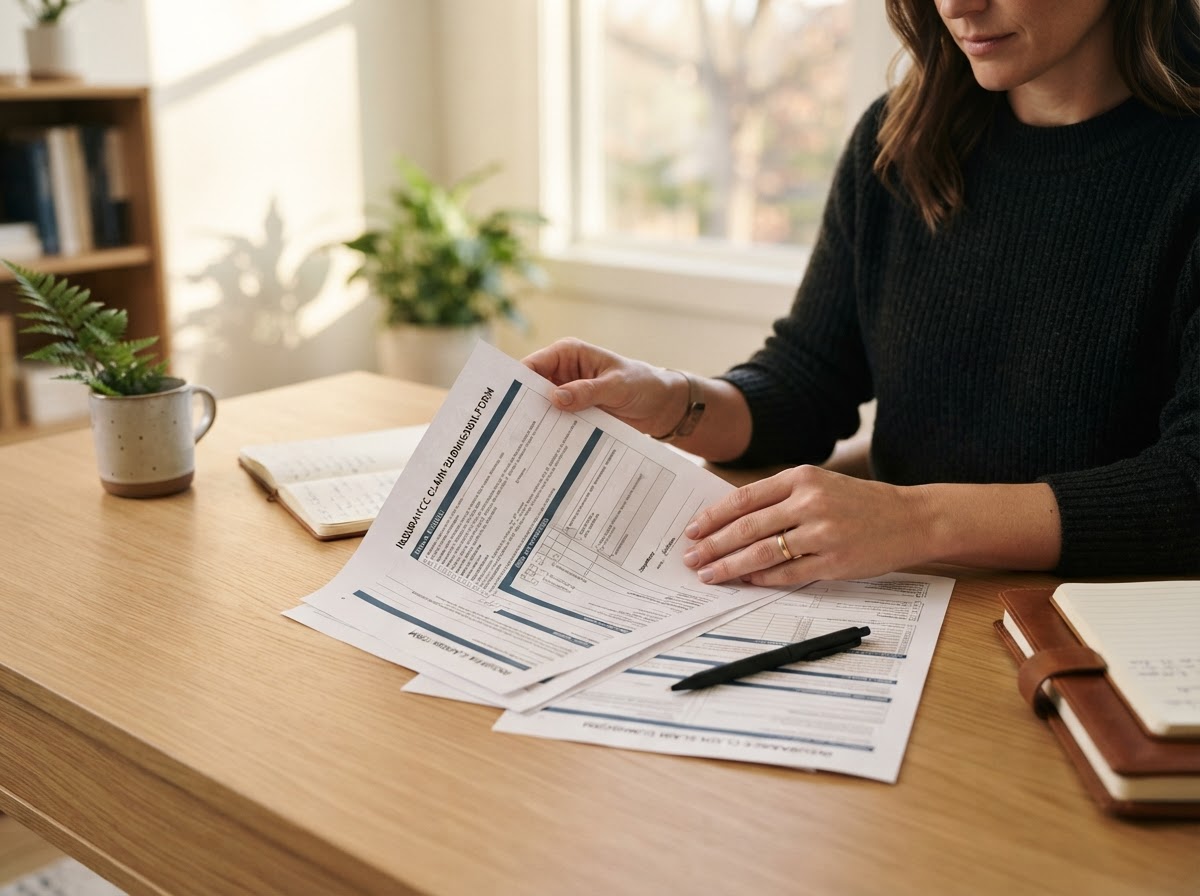
Insurance and Claims
Understanding how insurance claims work helps you avoid giving away information too early and gives you a clearer sense of what a fair resolution may include.
Report the collision to your own insurer promptly. With the other driver's insurer, it is usually wise to talk with an attorney before giving a recorded statement. Adjusters may ask questions that sound routine but can limit your claim. You are not obligated to settle or accept the first offer.
If you carry uninsured motorist coverage, it may help pay for injuries caused by an uninsured driver. You can also pursue the at-fault driver directly, though collecting from an individual can be difficult. An attorney can help you review the coverage you actually have and the options that make sense.
A claim may include medical expenses, lost income, vehicle repair or replacement costs, and pain and suffering. Some claims also address future medical care or reduced earning capacity. What applies depends on the facts of your case and the available insurance coverage.
It varies widely. A simple property-damage claim may resolve in weeks, while an injury claim often takes longer because you need to reach maximum medical improvement before the claim can be valued. Claims that proceed to litigation can take substantially longer. No timeline is guaranteed.

Working With an Attorney
A consultation is a chance to ask questions, understand what representation involves, and decide whether moving forward makes sense for your situation.
Soon after the collision is usually best, especially if you were injured, fault is unclear, or an adjuster is pressing for a statement. Early contact helps preserve evidence and avoids saying anything that could weaken your claim before you understand the full picture.
You describe what happened, share what documentation you have, and ask questions. The attorney explains possible next steps and what representation may involve. There is no obligation to hire the firm or move forward. The conversation is focused on your options, not on signing anything.
Many personal injury attorneys work on a contingency basis, meaning they are paid a percentage of the recovery and usually only if you recover compensation. Case costs, such as filing fees or expert fees, may be handled differently. Ask for the specific terms in writing before agreeing to anything.
We schedule a short consultation, review the basic facts, and explain whether representation makes sense for your case. If we move forward, we outline the steps, what you will need, and how communications will work. If we are not the right fit, we try to point you toward a useful next step.
Still Have Questions About Your Accident?
A short conversation can answer most case-specific questions. Book a free consultation and we will walk through what happened and what your options may be.